Thursday, February 27, 2014


Shaving for men with thick hair


For men with thick beards, shaving can be a painful, difficult experience in the morning. Not to mention expensive. For men with thick beards and sensitive skin, it is three times as bad because the extra strokes needed to cut the thicker hair leads to more and more discomfort. Men of Indian descent, Italian descent and African American descent have an especially hard time shaving due to the thickness of their beards. But any man with a thick beard, regardless of ethnicity, will have a hard time shaving compared to their friends with finer hair.

Tuesday, February 25, 2014


In the past 30 years, the prevalence of Diabetes Type 2 has skyrocketed to such an extent that it is now viewed as an epidemic in the western world. From being a once fairly mild and rare ailment of the elderly to becoming a chronic disease, diabetes mellitus affects people of every age, race, and background, and is now a major modern cause of premature death in many countries around the world, with someone dying from Diabetes Type 2 every 10 seconds worldwide.[1] This article focuses on the ways in which you can seek to avoid Type 2 Diabetes, with close attention to changing risky behaviors.
continue reading... Avoid Type 2 DM

Sunday, December 9, 2012

Abnormal Workout for Ladies.

Abnormal Workout for Ladies.


Here is the best 2 I choose 

Thanks for Watching and have healthy life!

Thursday, November 1, 2012

Health Benefits of Wood Apple


The wood apple or bael has interesting properties. The ripe fruit acts as a laxative whereas the unripe fruit helps control diarrhea. The bael is a medium sized deciduous tree reaching up to 8 m in height.
The fruit is a globose, woody berry with yellowish rind. Its seeds are numerous, oblong, compressed, embedded in orange brown sweet gummy pulp. The root, fruit and leaves of this tree are used as medicine.
Ayurvedic recommendations

Fruit: The unripe fruit is bitter in taste, acrid, sour, and astringent in nature. It is useful in treating diarrhea and dysentery. The ripe fruit is sweet in taste, aromatic, cooling, and astringent. It acts as a laxative and has tonic properties. It is a popular medicine for dyspepsia in India and is widely used to strengthen the heart and brain.


Root: The root is astringent in nature and is sweet and bitter in taste. The dry and light root is used for medicinal purposes. It is useful in conditions such as seminal weakness, diarrhea, dysentery, dyspepsia, stomatitis, vomiting, fever, swellings, and gastric irritation. It is also good for the heart and the brain.

Leaves: The leaves have an astringent quality and are used as laxative and expectorant. The bael leaves are useful in treatment of eye diseases, deafness, inflammations, diabetes, and asthma.

Therapeutic sctions
1. The fruit is very helpful in chronic constipation, chronic dysentery, and dyspepsia.
2. The fruit extract is widely used in Ayurveda for the treatment of diabetes.
3. The ripe fruits are dried in sun and powdered. This powder improves debility of the mucus membrane (used only when there is no fever).
4. Leaves are applied to the joints as poultice to relieve joint pain.
5. The root bark or stem bark infusion is a well-practiced recipe for fevers and fever associated with diarrhea.
6. The fruit extract is used as a preventive drug for cholera and piles.
7. Stem bark infusion is useful in palpitations and hypotension.
8. Fresh leaf juice mixed with pepper is therapeutically valuable in cases of jaundice and anorexia.
9. The bael bark extract is the best medicine for amoebic dysentery.

Side effects
1. Large quantities may result in digestive disorders and constipation.
2. It may lower blood sugar.
3. Patients with thyroid disorders should avoid bael.
4. Bael leaves can induce abortion, therefore pregnant or nursing mothers should use caution.

Source: Dr K Gowthaman, Medical Director, rVita (rVita Ayurveda Centers)

Wednesday, October 3, 2012

Dragon fruit


Dragon Fruit Scientific Names:
Ceraus, Acanthocereus, Echinocereus, Hylocereus, Selenicereus, Stenocereus, Escontria, Myrthillocactus.
Dragon fruit is also knows as:
Pitaya, Dragon Fruit, Red Pitahaya, Night blooming Cereus, Strawberry Pear, Belle of the Night, conderella plant

Other common names: 

 
French: cierge-lezard, poire de chardon
German: distelbirn, echte stachelbirn, drachenfrucht
Hawaiian: Pa-nani-o-ka
Portoguese: cato-barse, cardo-ananaz
Spanish: pitahaya roja (Colombia, Mexico, Venezuela); flor de caliz, pitajava (Puerto Rico); junco, junco tapatio, pitahaya orejona, reina de la noche, tasajo (Mexico)
Swedish: skogskaktus, röd pitahaya


Dragon fruit or red pitaya belongs to the Cactaceae family from the subfamily Cactoidea of the tribe Cactea . Dragon Fruit also known as Pitaya is a magnificent plant with stunning and beautiful fruit that exhibits vivirant colors and shape. Dragon fruit is not only attractive but is also flavourful that is slightly similar to kiwi and melon.
The Dragon plant is a vine, epiphytic cacti of the genus Hylocereus that is believed to be native in Central and Southern America and has been brought to Southeast Asian countries including Malaysia, Indonesia, Taiwan, Thailand, Sri Lanka, Bangladesh and Vietnam. Dragon plant has fleshy stems that grow up to 20ft long when matured. Dragon plant may grow from the ground or climb onto trees using aerial roots. Dragon plant bears flowers that only bloom at night. The flowers are ornate and beautiful with fragrant scent. Pitahaya plants can have up to 4-6 fruiting cycles per year. The dragon fruit has spines that grows up to 1 kilogram in weight. Dragon fruit skin may be yellowish to dark red in color with edible flesh that maybe white or red depending on the variety. It has a lot of black small seeds that is also edible.
Pitaya or Dragon fruit is also known to have some health benefits that includes preventing memory loss, anti cancer activity, control of blood glucose level in diabeetes, anti-xidant properties, aids in healing of wounds and others.

Dragon fruit Contitutional contents

dragon fruit white

The typical nutritional values per 100 g of raw pitaya (of which 55 g are edible) are as follows:
  • Water 80-90 g
  • Ascorbic acid (Vitamin C) 4–25 mg
  • Ash 0.4-0.7 g
  • Calcium 6–10 mg
  • Calories: 35-50
  • Carbohydrates 9-14 g
  • Carotene (Vitamin A) traces
  • Fat 0.1-0.6 g
  • Fiber 0.3-0.9 g
  • Iron 0.3-0.7 mg Niacin (Vitamin B3) 0.2-0.45 mg
  • Phosphorus 16 – 36 mg
  • Protein 0.15-0.5 g
  • Thiamine (Vitamin B1) traces
  • Riboflavin (Vitamin B2) traces
The aforentioned figures are subject to change as per cultivation conditions.


Dragon fruit health Benefits

  • Dragon fruit boosts immune system. Dragon fruit is rich in vitamin C and fibers that help provide an overall healthy body.
  • Dragon fruit helps in digestion. Because of the richness in fibers, Dragon fruit aids in the digestion of food, Studies also suggest that Dragon fruit promotes the growth of probiotics.
  • Dragon fruit help to lower blood glucose levels in type 2 diabetes. Studies also suggest that the the glucose found in Dragon fruit aids in controlling the blood sugar level for diabetes patients.
  • Dragon fruit prevent formation of cancer causing free radicals. Dragon fruit is rich in minerals and fibers that aids in digestion, cleans toxic ingredients thus preventing the occurrence of colon cancer.
  • Dragon fruit as anti-oxidant. The presence of high level of vitamin C, minerals and pytoalbumin is regarded as relevant in fighting free radicals and possess anti-oxidant properties.
  • Dragon fruit helps to control cholesterol level. Dragon fruit is also rich in flavonoids that are known to have favorable effects against cardio related disease.

Folkloric health Benefits from Dragon fruit.

  • Dragon fruit promotes healing of wounds and cuts.
  • Dragon fruit improves appetite.
  • Dragon fruit improves eye sight
  • Dragon fruit can aid in weight reduction
  • Dragon fruit improves memory.


Tips for Treating Cracked Heels and Dry Skin on the Feet


Cracked Heels

Cracked heels are a common foot problem, particularly in the summer months and in warmer climates. Essentially it is caused by dry skin. For most people cracked heels are a nuisance and a cosmetic problem, but when the cracks are deep, they can be painful to stand on and the skin can bleed. In severe cases this can cause infection.
TreatApplying a moisturising heel formulation twice a day is a crucial step in addressing cracked heels. Eulactol Heel Balm Gold and Ellgy Plus Cracked Heel Cream are unique formulations for the treatment of rough, dry, cracked feet and heels. Both formulations are suitable for people with diabetes. Ask our trained staff which of these formulations is best for you.

ProtectA regular foot care regime is essential if you want your feet to look and feel good. The Scholl Dual Action Foot File removes hard or rough skin and then buffs it smooth, leaving feet feeling beautifully soft. The coarse side of the file safely removes the rough or hard skin, whilst the finer side smoothes the skin.

Thompson’s Skin, Hair and Nails Capsules support healthy and nourished skin.
With Horsetail herb and marine proteins, Thompson’s Skin, Hair and Nails is far more than just a ‘cosmetic’ supplement. A combination of vitamins and minerals, including Vitamin C and Zinc, are also included to condition the skin from within.

3 steps

  1. Wash feet with a moisturizing soap. Use a high-quality moisturizing soap to wash your feet thoroughly every day. Just make sure you use warm water and not hot water or you may end up doing more damage than good. The goal here is to soften the skin so that you can exfoliate and buff away any dead skin on the surface easily. Hot water can dry out your feet even further and make the problem worse. Use a good moisturizing soap like Olay Body Ultra Moisturizing Soap on your feet during a light foot bath.  
  2. Massage warm olive oil on your heels. Olive oil can be very nourishing to the skin and will absorb quickly when it's warm. Heat up some olive oil in the microwave for about 20 seconds, let it cool until it's at a comfortable temperature, and then massage it into the heels and damaged patches of skin. You can do this every night to rehydrate and moisturize that tough skin on the feet and treat cracked heels.
  3.  Wear moisturizing socks at night. A pair of aloe-infused moisturizing socks can be a great addition to your foot treatment plan. These socks will help trap in moisture and can promote the skin's natural repair process.


Monday, September 17, 2012

What Causes Puffy Eyes?

Main cosmetic problem affects eyes that are puffy or baggy eyes. Both terms are used interchangeably but they are different because puffy eyes are easily curable than eye bags. Baggy eyes can only be treated with surgical treatments. This discussion will focus on causes of puffy eyes. There are several causes of puffy eyes and some of these causes are environmental but not all. Puffy eyes or watery eyes are basically symptoms of common eye allergic problems. Some research study links puffy eyes to genetic or heredity factors. Here is a list of causes that are stated to be causes of puffy eyes.


You should view this list and avoid factors that cause puffiness in eyes:
  • Lack of sleep
  • Excessive crying and shedding tears
  • Much intake of sodium and salt
  • Physical stress
  • Emotional stress
  • Building of toxins and wastes in body
  • Post operation or surgical recovery
  • Heredity predisposition
  • Reactions of dermatitis
  • Over consumption of alcoholic beverages
  • Irritating contact lenses
  • Body fluid fluctuations due to hormonal changes
  • Changes in weather or temperature
  • Sinus problems
  • Water retention
  • Complications from medications
  • Sleeping with head elevated slightly
Everyone should know general causes of puffiness in eyes.

Coping With Acne: Your Care Plan


Oils produced by the body help keep skin healthy. But too much of a good thing can leave your face looking oily, which no one wants. Excess oil can also lead to blemishes and acne flare-ups. “Fortunately, there are definitely plenty of ways to cut down on oiliness,” says Andrea Cambio, MD, medical director of Cambio Dermatology in Cape Coral, Fla. Options range from over-the-counter cleansers to prescription lotions and cosmetic treatments. WebMD interviewed dermatologists from around the country to find out how they advise patients with oily skin. Here’s what they recommend.

Cleansers

Cleansing your face in the morning and at night is the single most effective way to manage oily skin, dermatologists agree. “Always use a gentle cleanser, since harsh soaps can trigger the skin to increase oil production,” says April Armstrong, MD, assistant professor of dermatology at the University of California, Davis.” Also, gently wash your face using your hands; a washcloth or buff puff can actually stimulate more oil secretion.
If a basic facial cleanser doesn’t do the trick, try a product that includes an acid such as benzoyl peroxide, salicylic acid, glycolic acid, or beta-hydroxy acid.  Acids help cut oiliness.  “Many products containing these acids are marketed as acne facial care products. They’re great for people with acne, but they’re also fine for people whose problem is just oily skin,” Armstrong tells WebMD.  “Since some of these ingredients can be irritating, buy a small size to see how your skin responds. People often have to try several products before they find the one that works best for them.” When washing your face, use warm water, not hot. Extremes of temperature can also irritate skin.

Toners

Some people love the feeling of splashing on a skin toner, which can help further reduce oiliness. As with cleansers, products that contain salicylic acid or other acidic ingredients are most effective at removing oils. But dermatologists are divided on whether to recommend them to everyone. “I’m not a big fan of astringent toners because they tend to irritate the skin and can lead to more oil production,” says Cambio. “Still, if people like using them, I recommend applying toners only on oily areas of the skin, such as the forehead, nose, and chin. Avoid using them on areas that tend to be dry or you’re likely to create dry patches on your skin.”
That’s worth remembering for all your skin care regimens. “There’s a myth that some people have dry skin, some people have oily skin. In fact, most people have combination skin, oily in some places, dry in others,” says Ellen Marmur, MD, associate professor of dermatology at Mount Sinai School of Medicine in New York and author of Simple Skin Beauty: Every Woman’s Guide to a Lifetime of Healthy, Gorgeous Skin.

Medicated Pads

Another option is medicated pads with salicylic acid, glycolic acid, or other oil-cutting acid ingredients. “Medicated pads are a favorite among my patients with oily skin,” says Marmur. “You can carry them in your purse and use them on the run to freshen up your skin and remove excess oil.”

Blotting Paper

Cosmetic blotting papers offer a great option for removing oil because they don’t dry out your skin.  “Patients with oily skin really love blotting paper, because it’s convenient and easy to use,” says Armstrong. Apply to oily areas, such as forehead, nose, and chin. Don’t scrub your skin with the sheet of blotting paper. Instead, simply press it against the oily area long enough to allow it to absorb oil, usually 15 to 20 seconds.  Some blotting papers are lightly powdered, which further reduces shine.

Masks and Clays

Applying masks and clays to the skin helps draw out oils and cleanses pores. But like cleansers and toners, masks can also dry out the skin. “My advice is to apply them only to problem areas,” says Rebecca Kazin, MD, assistant professor of dermatology at Johns Hopkins Medical Institute and director of Johns Hopkins Cosmetic Center. “And use them only occasionally.” Masks and clays are great when people are getting ready for a big event, Kazin told WebMD -- a wedding, a birthday dinner, a big presentation.

Moisturizers

“People who have oily skin often steer clear of moisturizers, worrying that they’ll make their skin look even shinier,” says Kazin. That’s a bad idea. “Even oily skin needs to be moisturized to look its best,” says Kazin. To avoid an oily sheen, choose an oil-free moisturizer. Vary the amount you apply depending on whether the area tends to be dry or oily.

Oil-free Sunscreen

“Traditional sunscreens can pose a problem for people with oily skin, since they tend to go on pretty thick and can block pores,” says Armstrong. Even so, protecting skin from ultraviolet radiation is absolutely essential. Sunscreen gels are less likely than creams and lotions to make your skin look oily. And there are a variety of new oil-free products have been developed for oily skin. The latest innovation: facial powders laced with SPF protection. Some of the newest products offer SPF 30 protection, enough to ward off sun damage in most situations.

Adapt Your Facial Regimen

How oily your skin looks can vary season by season, week by week, even day by day. “Oil production is influenced by hormones, by mood, even by the weather,” says Cambio. “Some people have problems with oily skin only in the summer, when they’re sweating, for example, but not in the winter.” To keep your skin healthy and looking great, it’s important to be aware of how your skin varies so that you can adjust your regimen accordingly. “You may need cleanser with glycolic acid or beta-hydroxy acid every day during the summer but only now and then during the winter,” says Kazin. “That’s important to know, since overusing these products can cause skin to dry out.” 

Talk to Your Dermatologist

If over-the-counter products aren’t enough to help you manage oily skin, talk to your dermatologist. Lasers and chemical peels can help reduce oiliness and improve the overall look of your skin. Creams laced with tretinoin, adapalene, or tazarotene can also help by altering pores and reducing oiliness. “Since these products can be irritating, it’s best to use only on oily areas and only as often as you really need it,” says Kazin.
It’s worth remembering, too, that oil production is a normal part of healthy skin. “People with naturally oily skin tend to have fewer wrinkles and healthier looking skin,” says Marmur. So don’t go overboard in your efforts. Remove excess oiliness when you need to look your best. But be careful to preserve your skin’s natural antiaging mechanism. 

Sunday, September 9, 2012

WHAT IS YOUR SKIN TYPE........?


Knowing your skin type is absolutely necessary in order to make a right decision about a proper skin care or treatment, which is suitable for your particular skin needs.

#1. Normal Skin

If you skin belongs to a normal type, the tissue will not reveal any traces of oil. Your skin should feel vibrant, elastic, and supple. Normal skin is the least problematic type. It looks clean and smooth and has a good circulation and healthy complexion. Even with a minimum care, it will look good well into your advanced age.

#2. Dry Skin

If your skin is dry, the paper will be clean, too, but your face skin will feel flaky, dry, and tight after you have wiped it.
Dry skin can easily develop a sallow tone, wrinkles, and fine pores, and it is very prone to aging and irritating. It might still look great on a young person, but, to keep it healthy, you should apply thorough care and use regular skin or beauty treatment with natural masks and moisturizers.

#3. Oily Skin

If you have oily skin, the paper will have spots of facial oil on it, corresponding to the areas of your cheeks, nose, and forehead. Oily skin is problematic – it usually looks greasy, thick, coarse, and shiny, has enlarged pores, and tends to break into acne.
A good thing, though, is that oily skin is not prone much to aging and wrinkling. Careful cleaning, minimizing of carbohydrate consumption, and avoiding rich creams can be helpful in improving the quality of oily skin.

#4. Combination Skin

If you skin is combination, like that of most women, the tissue will have traces of oil coming from your nose and forehead, but will be clean in the areas that touched your cheeks.
Combination skin has patches of both dry and oily skin, and it requires different types of care in relation to particular facial areas.
Dry zones, which are usually located on the cheeks and around the eyes, should be treated with rich creams and moisturizers, while oily areas, usually on the forehead and nose, will benefit from frequent and thorough cleaning.

#5. Sensitive Skin

Sensitive skin is usually very dry, tends to feel tight, and becomes inflamed and irritated easily. Typically, sensitive skin develops reddish and scaly areas, can be itchy and tingly, and is prone to breaking into spots. It is the most problematic and fragile type of skin, which needs a very special type of care. To get the right body products for this skin type too requires great research.


Saturday, August 25, 2012

Plums nutrition facts


Wonderfully delicious and juicy plums are botanically belongs to the family of rosaeae. The fruit is a drupe belonging to the genus: Prunus which also includes peaches, nectarine, almonds and damson. Scientific name: Prunus domestica.
The plant is best described as small tree or large shrub and widely cultivated in the United States, Europe, Japan and china. Many cultivars of plums are grown all over the world which differ in their color, size and growing characteristics based upon their country of origin. Generally, each variety of plum tree bears numerous, almost uniform sized fruits between May and September months.

Each fruit is about the size of medium sized tomato, measuring about 5-6 cm in diameter and weigh about 70 g. It has central depression at the stem side. Internally, the pulp is juicy and vary widely from creamy yellow, crimson, light blue or light green in color depending upon the cultivar type.
There is centrally placed single, smooth but hard stone like seed. Seeds are inedible.
It has sweet and tarty taste pulp with pleasant aroma. Some common cultivars of plums are: cherry plum, damson, blackthorn plum.

Health benefits of Plums

  • Delicious, fleshy, succulent plums are low in calories and contain no saturated fats; but contain numerous health promoting compounds, minerals and vitamins.
  • Certain health benefiting compounds present in the plum fruits, such as dietary fiber, sorbitol, and isatin are known to help regulate the functioning of the digestive system and thereby used in constipation conditions.
  • Fresh plums are an excellent source of vitamin C, which is also a powerful natural antioxidant. Consumption of foods rich in vitamin C helps body develop resistance against infectious agents, counter inflammation and scavenge harmful free radicals.
  • Fresh plums, especially yellow Mirabelle type, are very good source of vitamin A and beta carotene. Vitamin A is essential for vision. It is also required for maintaining healthy mucus membranes and skin. Consumption of natural fruits rich in vitamin A known to protect from lung and oral cavity cancers.
  • The fruit is also good in health promoting flavonoid poly phenolic antioxidants such as lutein, cryptoxanthin and zeaxanthin in significant amounts. These compounds help act as protective scavengers against oxygen-derived free radicals and reactive oxygen species (ROS) that play a role in aging and various disease process.  zeaxanthin, an important dietary carotenoid selectively absorbed into the retinal macula lutea where it is thought to provide antioxidant and protective light-filtering functions.
  • Plums are rich in minerals like potassium, fluoride and iron. Iron is required for red blood cell formation. Potassium in an important component of cell and body fluids that helps controlling heart rate and blood pressure.
  • Rich in B-complex group of vitamins such as niacin, vitamin B-6 and pantothenic acid. These vitamins are acting as cofactors help body metabolize carbohydrates, proteins and fats. They also provide about 5% RDA levels of vitamin K. Vitamin K is essential for many clotting factors function in the blood as well as in bone metabolism and helps reduce Alzheimer's disease in the elderly.

Selection and storage

Plums are available year round but they are at their best between May till September. In the store, look for fresh fruits featuring rich color and may still have a slight whitish "bloom," indicating that they have not been over handled. Avoid those ones with excessively soft, or with cuts or bruises.  Ripen fruits yield to gentle pressure and features sweet aroma.
Slightly hard mature plums can be kept at room temperature till they ripen. Ripe ones can be placed in the refrigerator but should be bring to room temperature before being eaten to enjoy their rich flavor. Dry plums called as prunes can be stored at room temperature for few days.

Preparation and serving method

Wash plums in cold running water just before using.  Fresh ripe plums should be enjoyed as a whole along with skin. 
plum cut sectionIncise lengthwise deeply till the hard seed felt and then remove the seed. Skin may be peeled off using paring knife as in apples. However, its peel not only provides good fiber content but also contains some health benefiting anti-oxidant pigments. Therefore, just wash the fruit and enjoy without discarding the skin. They can also be baked or stewed.
Here are some serving tips:
  • Plum sections are a great addition to salads.
  • The fruits are being used in the preparation of pie, desserts, jams and jellies.
  • They can also be used in a variety of recipes and are usually baked or poached.
  • Dried plums in general known as prunes are added to muffins, cakes, ice-creams...etc as in other dry fruits like raisins, apricots and figs.

Pears nutrition facts


Mildly sweet and rich in flavor pears offer crunchiness of apples yet juicy as peach and nectarine. This simple fruit is widely popular, especially in the whole of northern hemisphere, for its unique nutrient qualities.
Botanically it is a pome fruit produced by the tree belonging to the family of Rosaceae; genus Pyrus, which also includes apple, loquat, medlar...etc and known scientifically as Pyrus communis.

Pears are broadly classified based upon their place of origin as Asian pears and European pears. Asian varieties feature crispy texture and firm consistency that do not change after harvesting or storage makes them ready-to-eat. Whereas, European types generally becomes soft and juicy when allowed to ripen.
In structure, pear fruit has bell or “pyriform” shape; around 5-6 inches long and weigh about 200 gm. Fresh fruit is firm in consistency with mild ‘apple’ flavor.  Externally, its skin is very thin and depending upon the cultivar type, the fruit may have green, red-orange or yellow-orange colors.  Internally, it's off white color pulp is crunchy and juicy. However in fully matured ones, the pulp turns to grainy texture with gritty sensation while cutting with knife. Center of the fruit is more or less similar to apple with centrally located tiny inedible seeds.
  1. Some of the popular Asian varieties are Ichiban Nashi, Shinsui, Shinsieki and Nijisseki.
  2. Popular European types are Bartlett and Comice.

Health benefits of pears

  • Pear fruit is packed with health benefiting nutrients such as dietary fiber, anti-oxidants, minerals and vitamins which are necessary for optimum health.
  • Pears provide about 3.1 g of dietary fiber per 100g. Regular eating of pears may offer protection against colon cancer.  Most of the fiber is non soluble polysaccharide (NSP), making them a good bulk laxative. Also, the gritty fiber content binds to cancer causing toxins and chemicals in the colon, protecting its mucous membrane from contact with these compounds.
  • In addition, pear fruit is one of the very low calorie fruits, just provides 58 cal per 100g. Just a few sections a day in the diet can bring significant reduction in weight and blood LDL cholesterol levels.
  • It contains good quantities of vitamin C. Fresh fruits provide about 7% of RDA per 100 g. 
  • They are rich in antioxidant flavonoids phyto-nutrients such as beta carotene, lutein and zea-xanthins. These compounds along with vitamin C and A help body protect from harmful free radicals.
  • The fruit is a good source of minerals such as copper, iron, potassium, manganese and magnesium as well as B-complex vitamins such as folates, riboflavin and pyridoxine (vitamin B-6).
  • Although not well documented, pears are among the least allergenic of all fruits and are therefore recommended by health practitioners as safe alternative in the preparation of food products for allergy sufferers.
  • Pears have suggested being useful in treating colitis, chronic gallbladder disorders, arthritis and gout.

Selection and Storage

Fresh pears are readily available in the stores.  While Bartlett variety is a predominant variety in summer, comice, seckel etc...are main fall season pears. Asian pears are generally ready to harvest by August and available in the stores by September.
Choose fresh, bright, firm textured fruits with rich flavor. Avoid fruits with pressure marks over their surface as they indicate underlying mottled pulp. Some fruits, especially the Asian varieties, have rust colored speckles on their outer surface which is otherwise an acceptable characteristic.
Keep unripe pears in a basket with separate chambers at room temperature or wrap in paper to ripen as in papaya. Once their surface yields to gentle pressure, they are ripe and ready to be eaten.
To get the maximum nutrient benefits eat them while they are fresh.  Otherwise, keep them in the refrigerator where they will remain fresh for a few days.
Fresh apples can be kept at room temperature for few days and stored in refrigerator for two to three weeks.

Preparation and Serving tips

Wash them in clean running cold water before use to remove any surface dust and pesticide/fungicide residues.
Cut slice both ends using paring knife and cut it into two equal halves. Take out centrally placed small seeds. Slice the fruit into desirable cubes or pieces.
As in apple, sliced fruit pieces turns brown on exposure to air due to conversion of iron from ferrous oxide to ferric oxide. If you have to serve them sliced, rinse slices in water added with few drops of fresh lemon.
Pears should be eaten as a whole with skin to get maximum benefits. Vitamins and minerals are greatly concentrated in significant quantities just underneath the skin. Here are some serving tips:
  • Eat pear fruits as they are without any additions to get maximum health benefits.
  • Pear is also used in the preparation of fruit juice, jam, pie, and fruit salad.
  • In the preparations of baby food.

Papaya fruit nutrition facts


Exotic papaya fruit or pawpaw is packed with numerous health benefiting nutrients. The fruit is one of the favorite of fruit lovers for its nutritional, digestive, and medicinal properties. Papaya tree is grown extensively all over the tropical regions and cultivated for its fruits and latex papain, an enzyme that is used in food industry.
Botanically, the plant belongs to the family of Caricaceae of genus; Carica and scientifically named as Carica papaya.

Papaya tree bears many spherical or pear-shaped fruits that can have about 6-20 inches in length and 4-12 inches in diameter. The average sized papaya weighs about a pound. The fruit is said to ripen when it feels soft to thumb pressure and its skin has attained an amber to orange hue.
Inside, the fruit features numerous black seeds, encased in a mucin coat, in the hollow central cavity. The flesh is orange in color with either yellow or pink hues, soft in consistency and has deliciously sweet, musky taste with rich flavor.
Babaco fruit is closely related to papaya, has similar appearance and flavor as papaya.

Papaya fruit health benefits

  • The fruit is very low in calories (just 39 cal/100 g) and contains no cholesterol; but is a rich source of phyto-nutrients, minerals, and vitamins.
  • Papayas contain soft, easily digestible pulp/flesh with good amount of soluble dietary fiber that helps to have normal bowel movements; thereby reducing constipation.
  • Fresh, ripe fruit is one of the fruit with highest vitamin-C content (provides about 103% of DRA, more than in oranges, or lemons). Research studies have shown that vitamin C has many important functions like free radicals scavenging, immune booster, and anti-inflammatory actions.
  • It is also an excellent source of Vitamin-A (provides 1094 IU/100 g) and flavonoids like beta carotenes, lutein, zeaxanthin and cryptoxanthins. Vitamin A is also required for maintaining healthy mucus membranes and skin and is essential for vision. These compounds are known to have antioxidant properties; help act as protective scavengers against oxygen-derived free radicals and reactive oxygen species (ROS) that play role in aging and various disease processes. Consumption of natural fruits rich in carotenes has known to protect body from lung and oral cavity cancers.
  • Papaya fruit is also rich in many essential B-complex vitamins such as Folic acid, pyridoxine (vitamin B-6), riboflavin, and thiamin (vitamin B-1). These vitamins are essential in the sense that body requires them from external sources to replenish and play vital role in metabolism.
  • Fresh papaya also contains good amount of potassium (257 mg per 100 g) and calcium. Potassium is an important component of cell and body fluids and helps controlling heart rate and blood pressure countering effects of sodium.
  • Papaya has been proven natural remedy for many ailments. In traditional medicine, papaya seeds are anti-inflammatory, anti-parasitic, and analgesic, and they are used to treat stomachache and ringworm infections.

    Selection and storage

    Papaya is usually harvested when it shows signs of maturity; evident as skin slightly turning to yellow. Organic papayas usually left to ripen on the tree, however, care should be taken since over-ripen fruits actually falls off themselves and spoiled.
    In the store, papayas come with various sizes and maturity; therefore, select the one based on the serving size and timing. Choose the one with intact skin without any bruises or cuts. Unripe fruits can be kept at room temperature for few days but ripen ones should be stored in the refrigerator. Bring back the fruit to normal temperature when it is to be eaten to get their natural taste and flavor.

    nripe green papaya is cooked as vegetable in many Asian and Pacific regions. However, the fruit should not be eaten raw as it contains toxic alkaloids in its milky latex.

    Preparation and serving method

    Wash papaya fruit thoroughly in cold running water to remove dust and any pesticide residues. Skin is bitter in taste and inedible. Remove skin with "peeling knife", cut the fruit longitudinally in to two equal halves. Gently remove seeds and thin slimy layer loosely adhering to the flesh. Cut the fruit longitudinally like melon or cut into small cubes.

    Here are some serving tips: papaya sections

  • Ripe papaya fruit is usually eaten raw with a twist of lemon drops.
  • Fresh papaya cubes are a great addition to fruit salads.
  • Papaya juice with ice cubes is a popular drink.
  • Its cubes are used in ice creams, shakes, sorbets, salsa etc.
  • Ripe fruit also goes well with chicken and seafood savory dishes.
  • Unripe green papaya can be used as vegetable, either cooked, usually in stews, stir-fry, curries, and soups.

Peaches nutrition facts


Delicious and widely popular peaches are native to China from where they spread to rest of the world via ancient silk route. They belong to the genus Prunus; family of rosaeae and named as Prunus persica.
Technically, the fruit is a "drupe" having similar features of the other members of the genus prunus including plums, nectarine, almonds and damson.

The P. persica plant is described as a small, deciduous tree that grows up to 25 to 30 feet tall and widely grown in the United States, Europe, and China for its juicy fruits. There are many cultivars of peaches are grown all over the world which differ in their color, size and growing characteristics based upon their country of origin.

Usually, the peach tree bears numerous, almost uniform sized fruits between May and September months. Its fruit is about the size of small apple, measuring about 7-10 cm in diameter and weigh about 130 g. It features fuzzy outer surface with longitudinal depressions extending from stem end to the tip. Depending up on the seed that is free or firmly attached to the pulp, they are classified in to free stone variety or clinging variety.
Flat or donut peaches are flattened, disc like freestone fruits drawn in at the center. They have similar peach flavor and taste.
Internally, the pulp is juicy and; depending upon the variety, creamy yellow or whitish in color with centrally placed single seed inside the shell. Seeds are inedible. The fruit has sweet and tarty in taste with pleasant aroma.

Health benefits of Peaches

  • Wonderfully delicious peaches are low in calories (100 g just provide 39 calories) and contain no saturated fats. Nonetheless, they are packed with numerous health promoting compounds, minerals and vitamins.
  • The total measured anti-oxidant strength (ORAC value) of 100 g peach fruit is 1814 TE (Trolex equivalents).
  • Fresh peaches are a very good source of antioxidant vitamin C. Vitamin-C has anti-oxidant effects and is required for connective tissue synthesis in the body. Consumption of foods rich in vitamin C helps body develop resistance against infectious agents and help scavenge harmful free radicals.
  • Fresh peaches are also moderate source of vitamin A and ß-carotene. ß-carotene is a pro-vitamin, which converts into vitamin A in the body. Vitamin A is essential for vision. It is also required for maintaining healthy mucus membranes and skin. Consumption of natural fruits rich in vitamin A is known to offer protection from lung and oral cavity cancers.
  • They are rich in many vital minerals such as potassium, fluoride and iron. Iron is required for red blood cell formation. Fluoride is a component of bones and teeth and is important for prevention of dental caries. Potassium is an important component of cell and body fluids that help regulate heart rate and blood pressure.
  • Peaches contain many health promoting flavonoid poly phenolic antioxidants such as lutein, zeaxanthin and ß-cryptoxanthin. These compounds help act as protective scavengers against oxygen-derived free radicals and reactive oxygen species (ROS) that play a role in aging and various disease process.

Selection and Storage

Peaches are available year round but the season for fresh one is from May till October. In the store, look for fresh ones featuring rich color and may still have a slight whitish "bloom," indicating that they have not been over handled. Avoid ones with excessively soft, or with cuts and bruises. Ripe fruits yield to gentle pressure and feature sweet aroma. 
Slightly hard but mature peaches can be kept at room temperature until they ripen. Ripening process can be enhanced by using ethylene, similar to the ripening of bananas. Storage in a paper bag concentrates this gas and hastens the process.
Ripe peaches can be placed in the refrigerator but should be bring to room temperature before being eaten to enjoy their rich flavor.
Dried peaches are also available in the special stores along with raisins, currants, apricots, dates...etc.

Preparation and Serving tips

Wash them in cold running water just before using. Fresh ripe peaches should be enjoyed as a whole along with skin. Otherwise, incise the fruit lengthwise deeply until the hard seed felt and then remove the seed. Skin can be peeled using knife as in apples.
To peel, score a small cross near the base. Dip in boiling water just for a minute and immediately immerse in cold water to cool quickly. Then peel the skin away from the cross. 

Here are some serving tips:
  • Peach sections are a great addition to fruit salads.

  • Fresh fruits are being used in variety of fruit cocktails along with grapes, pineapple, cherry, and plums.

  • Peaches are being used in the preparation of pie, baklava, charlottes, tart, desserts, jams and jellies.
  • Peaches can also be used in various traditional recipes.

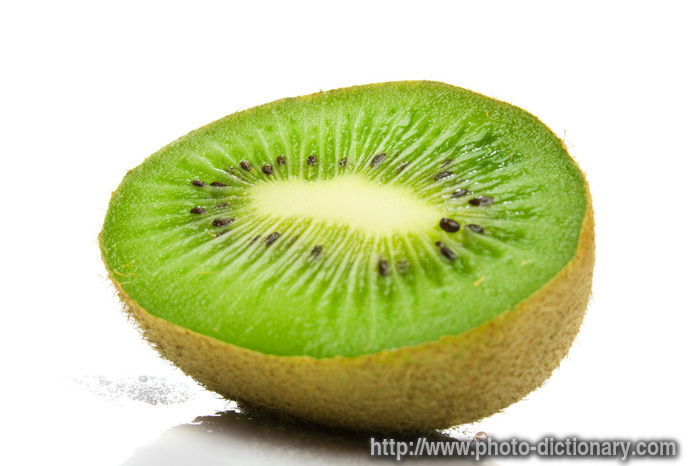
Health Benefits of Kiwi Fruit

Kiwi fruits are rich in many Vitamins, flavonoids and minerals. In particular, they contain a high amount of Vitamin C (more than oranges), as much potassium as bananas and a good amount of beta-carotene.
Studies in Italy, though, performed on 6-7 year old children, have also demonstrated additional health benefits to the respiratory tract. In particular, children that were fed 5-7 portions a week of citrus and kiwifruits had 44% less probability wheezing compared to children eating less than once a week.
Shortness of breath was reduced by 32%,night time cough by 27%, severe wheeze by 41%, chronic cough by 25%, and runny nose by 28%. This results is not only traceable to the content in Vitamin C or Potassium, but in substances which are still largely unknown contained in kiwi fruit.
These substances are most likely flavonoids that help protect our cells from oxidative damage, and are therefore considered very helpful in protecting our DNA from mutations and damage.

Protection from Age-Related Macular Degeneration (ARMD)

A series of studies published by the Archives of Ophthalmology have proven that consuming 3 or more servings of fruit per day (including kiwi fruits) can reduce by 36% the risk of developing an eye-related disease called ARMD (the primary cause of vision impairment in adults), if compared to people who only consume 1.5 servings of fruit per day.
The study was conducted on 110.000 women and men and lasted several decades. Surprisingly, the study found that while vegetables were not correlated with an improved resistance to the disease, fruits containing high amount of Vitamin C,A and E (the most common antioxidant vitamins) helped significantly in protecting against ARMD.

Anti Oxidant properties of Kiwi Fruit

It is important to note that kiwi fruits contain a remarkable amount of Vitamin C, E and A. Vitamin C is a water-soluble antioxidant that has been proven to protect our body from free radicals, dramatically improving the health of individuals who consumed it regularly against all kinds of disease, from cardiovascular problems to cancer and obesity.
Vitamin E has been proven to have similar effects, but is fat-soluble and thus is complimentary to Vitamin C in its functions. Kiwi fruits contain both these vitamins in high amount, which help protect our body against free radicals from all fronts.

Kiwi fruits have a high fiber content

The high content in dietary fiber helps improving diseases such as diabetes, by controlling sugar levels, and colon cancer, since fiber binds to toxic compounds in the colon and helps us expel them.
Fiber has also been proven to reduce cholesterol levels, improving the conditions of patients with cardiovascular diseases and lowering the probability of heart attacks.

Summary of Kiwifruit Health Benefits

Eating kiwi fruit is clearly a healthy choice, and it is particularly useful in these cases:
  • Prevents Asthma
  • Prevents wheezing and coughing, especially in children
  • Protects our DNA from mutations
  • Provides a healthy amount of antioxidants and vitamins
  • Helps prevent colon cancer thanks to a high fiber content


Fig fruit nutrition facts

Delicious, sweet flavored fig fruit is one of the ancient fruits enjoyed in the human history. Fig is naturally rich in many health benefiting phyto-nutrients, anti-oxidants and vitamins. Dried figs in fact are concentrated source of minerals and vitamins. The fully ripe fig has bell or pear shape with succulent flesh.
Botanically figs belong to the mulberry family (Moraceae); of the genus, Ficus. Scientific name: Ficus carica.

yummy figs


Fig fruit tree is native to temperate climate of Asia Minor or present day Turkey and today is grown as important fruit of commerce in the eastern Mediterranean region, USA, Spain. However, it is also cultivated as a fruit tree in home gardens. During each season it bears several hundred pear shaped fruits twice a year which vary in size and color depending on the variety.
Interiorly, the fig fruit features numerous club shaped ovaries protruding towards central hollow cavity. In their natural habitat, “caprifigs” are pollinated by a tiny gall wasp (Blastophaga grossorum) that enters the flower cluster through a small opening in the apex.
Several cultivars exist; some of popular varieties commonly grown in the USA are Brown Turkey, Conadria, Kadota, and Black mission. However, since the wasp is not present in North America, most of these fruits do not have true seeds and they develop by parthenogenesis (without pollination).


Health benefits of figs

  • Fig fruit is low in calories. 100 g fresh fruits provide only 74 calories. However they contain health benefiting soluble dietary fiber, minerals, vitamins and pigment anti-oxidants that contribute immensely for optimum health and wellness.
  • Dried figs are excellent source of minerals, vitamins and anti-oxidants. In fact dried fruits are concentrated sources of energy. 100 g dried figs provide 249 calories.
  • Fresh figs, especially black mission, are good in poly-phenolic flavonoid anti-oxidants such as carotenes, lutein, tannins, chlorgenic acid...etc. Their anti-oxidant value is comparable to that of apples at 3200 umol/100 g.
  • In addition, fresh fruits contain adequate levels of some of anti-oxidant vitamins such as vitamin A, E, and K. Altogether these phyto-chemical compounds in fig fruit help scavenge harmful oxygen derived free radicals from the body and thereby protect us from cancers, diabetes, degenerative diseases and infections.
  • Also research studies suggest that chlorogenic acid in these berries help lower blood sugar levels and control blood glucose levels in type-II diabetes mellitus (Adult onset) condition.
  • Fresh as well as dried figs contain good levels of B-complex group of vitamins such as niacin, pyridoxine, folates and pantothenic acid. These vitamins function as co-factors for metabolism of carbohydrates, proteins and fats.
  • Dried figs are excellent sources minerals like calcium, copper, potassium, manganese, iron, selenium and zinc. 100 g of dried figs contain 640 mg of potassium, 162 mg of calcium, and 2.03 mg of iron. Potassium in an important component of cell and body fluids that helps controlling heart rate and blood pressure. Copper is required in the production of red blood cells. Iron is required for red blood cell formation as well for cellular oxidation.

    Selection and storage

    Figs are available all around the season; however they are best available from May through November. One may find fresh as well as dried figs in the markets. While buying fresh figs look for ripe fruits which are soft in hand and emit sweet aroma.
    Avoid overtly soft, bruised, fungus inflicted fruits. Similarly unripe green fruits as they are astringent and out of flavor.
    Fig fruits perish rather very quickly and eaten while they are fresh or else should be placed in the refrigerator where they keep well for 2-3 days. Place them in a plastic or zip pouch and store in the refrigerator set with high relative humidity. However dried figs can stay for 6-8 months. 
    Figs must be allowed to ripen fully on the tree before they are picked. They can be enjoyed fresh, and after sun or artificial drying.
    To eat fresh fruits wash them in cold water, mop them dry gently using soft cloth or tissue. One may eat fresh figs whole, or peeled.  If taken out from the cold storage, place in a bowl of water to bring them back to normal room temperature to enrich their taste and palatability.
    Here are some serving tips:
  • Sweet succulent fig fruit is best enjoyed as it is without any additions.
  • Fresh figs are a great addition to salad, in cakes and ice-creams.
  • Dried ones can be added to soup, stews and to enrich poultry, venison, lamb meat.
  • Dry figs are excellent additions to muffins, cakes, pies and cheesecakes.
  • Enjoy marinated figs with raspberry sauce.

Safety profile

Fig leaves and un-ripened fruit produce white latex which can penetrate the skin causing burning discomfort. Fig latex contains several compounds like furocoumarins, 5-methoxypsoralen (5-MOP)...etc which can elicit cell-mediated allergic reactions. If left untreated, there may occur severe allergic eruptions all over the exposed parts.
Eating fig fruit may also elicit allergic reactions ranging from vomiting, diarroea, and itching of skin and mucus membranes in some sensitized individuals. It is therefore people with history of allergy to figs may be advised to avoid eating them.