Sunday, December 9, 2012

Abnormal Workout for Ladies.

Abnormal Workout for Ladies.


Here is the best 2 I choose 

Thanks for Watching and have healthy life!

Thursday, November 1, 2012

Health Benefits of Wood Apple


The wood apple or bael has interesting properties. The ripe fruit acts as a laxative whereas the unripe fruit helps control diarrhea. The bael is a medium sized deciduous tree reaching up to 8 m in height.
The fruit is a globose, woody berry with yellowish rind. Its seeds are numerous, oblong, compressed, embedded in orange brown sweet gummy pulp. The root, fruit and leaves of this tree are used as medicine.
Ayurvedic recommendations

Fruit: The unripe fruit is bitter in taste, acrid, sour, and astringent in nature. It is useful in treating diarrhea and dysentery. The ripe fruit is sweet in taste, aromatic, cooling, and astringent. It acts as a laxative and has tonic properties. It is a popular medicine for dyspepsia in India and is widely used to strengthen the heart and brain.


Root: The root is astringent in nature and is sweet and bitter in taste. The dry and light root is used for medicinal purposes. It is useful in conditions such as seminal weakness, diarrhea, dysentery, dyspepsia, stomatitis, vomiting, fever, swellings, and gastric irritation. It is also good for the heart and the brain.

Leaves: The leaves have an astringent quality and are used as laxative and expectorant. The bael leaves are useful in treatment of eye diseases, deafness, inflammations, diabetes, and asthma.

Therapeutic sctions
1. The fruit is very helpful in chronic constipation, chronic dysentery, and dyspepsia.
2. The fruit extract is widely used in Ayurveda for the treatment of diabetes.
3. The ripe fruits are dried in sun and powdered. This powder improves debility of the mucus membrane (used only when there is no fever).
4. Leaves are applied to the joints as poultice to relieve joint pain.
5. The root bark or stem bark infusion is a well-practiced recipe for fevers and fever associated with diarrhea.
6. The fruit extract is used as a preventive drug for cholera and piles.
7. Stem bark infusion is useful in palpitations and hypotension.
8. Fresh leaf juice mixed with pepper is therapeutically valuable in cases of jaundice and anorexia.
9. The bael bark extract is the best medicine for amoebic dysentery.

Side effects
1. Large quantities may result in digestive disorders and constipation.
2. It may lower blood sugar.
3. Patients with thyroid disorders should avoid bael.
4. Bael leaves can induce abortion, therefore pregnant or nursing mothers should use caution.

Source: Dr K Gowthaman, Medical Director, rVita (rVita Ayurveda Centers)

Wednesday, October 3, 2012

Dragon fruit


Dragon Fruit Scientific Names:
Ceraus, Acanthocereus, Echinocereus, Hylocereus, Selenicereus, Stenocereus, Escontria, Myrthillocactus.
Dragon fruit is also knows as:
Pitaya, Dragon Fruit, Red Pitahaya, Night blooming Cereus, Strawberry Pear, Belle of the Night, conderella plant

Other common names: 

 
French: cierge-lezard, poire de chardon
German: distelbirn, echte stachelbirn, drachenfrucht
Hawaiian: Pa-nani-o-ka
Portoguese: cato-barse, cardo-ananaz
Spanish: pitahaya roja (Colombia, Mexico, Venezuela); flor de caliz, pitajava (Puerto Rico); junco, junco tapatio, pitahaya orejona, reina de la noche, tasajo (Mexico)
Swedish: skogskaktus, röd pitahaya


Dragon fruit or red pitaya belongs to the Cactaceae family from the subfamily Cactoidea of the tribe Cactea . Dragon Fruit also known as Pitaya is a magnificent plant with stunning and beautiful fruit that exhibits vivirant colors and shape. Dragon fruit is not only attractive but is also flavourful that is slightly similar to kiwi and melon.
The Dragon plant is a vine, epiphytic cacti of the genus Hylocereus that is believed to be native in Central and Southern America and has been brought to Southeast Asian countries including Malaysia, Indonesia, Taiwan, Thailand, Sri Lanka, Bangladesh and Vietnam. Dragon plant has fleshy stems that grow up to 20ft long when matured. Dragon plant may grow from the ground or climb onto trees using aerial roots. Dragon plant bears flowers that only bloom at night. The flowers are ornate and beautiful with fragrant scent. Pitahaya plants can have up to 4-6 fruiting cycles per year. The dragon fruit has spines that grows up to 1 kilogram in weight. Dragon fruit skin may be yellowish to dark red in color with edible flesh that maybe white or red depending on the variety. It has a lot of black small seeds that is also edible.
Pitaya or Dragon fruit is also known to have some health benefits that includes preventing memory loss, anti cancer activity, control of blood glucose level in diabeetes, anti-xidant properties, aids in healing of wounds and others.

Dragon fruit Contitutional contents

dragon fruit white

The typical nutritional values per 100 g of raw pitaya (of which 55 g are edible) are as follows:
  • Water 80-90 g
  • Ascorbic acid (Vitamin C) 4–25 mg
  • Ash 0.4-0.7 g
  • Calcium 6–10 mg
  • Calories: 35-50
  • Carbohydrates 9-14 g
  • Carotene (Vitamin A) traces
  • Fat 0.1-0.6 g
  • Fiber 0.3-0.9 g
  • Iron 0.3-0.7 mg Niacin (Vitamin B3) 0.2-0.45 mg
  • Phosphorus 16 – 36 mg
  • Protein 0.15-0.5 g
  • Thiamine (Vitamin B1) traces
  • Riboflavin (Vitamin B2) traces
The aforentioned figures are subject to change as per cultivation conditions.


Dragon fruit health Benefits

  • Dragon fruit boosts immune system. Dragon fruit is rich in vitamin C and fibers that help provide an overall healthy body.
  • Dragon fruit helps in digestion. Because of the richness in fibers, Dragon fruit aids in the digestion of food, Studies also suggest that Dragon fruit promotes the growth of probiotics.
  • Dragon fruit help to lower blood glucose levels in type 2 diabetes. Studies also suggest that the the glucose found in Dragon fruit aids in controlling the blood sugar level for diabetes patients.
  • Dragon fruit prevent formation of cancer causing free radicals. Dragon fruit is rich in minerals and fibers that aids in digestion, cleans toxic ingredients thus preventing the occurrence of colon cancer.
  • Dragon fruit as anti-oxidant. The presence of high level of vitamin C, minerals and pytoalbumin is regarded as relevant in fighting free radicals and possess anti-oxidant properties.
  • Dragon fruit helps to control cholesterol level. Dragon fruit is also rich in flavonoids that are known to have favorable effects against cardio related disease.

Folkloric health Benefits from Dragon fruit.

  • Dragon fruit promotes healing of wounds and cuts.
  • Dragon fruit improves appetite.
  • Dragon fruit improves eye sight
  • Dragon fruit can aid in weight reduction
  • Dragon fruit improves memory.


Tips for Treating Cracked Heels and Dry Skin on the Feet


Cracked Heels

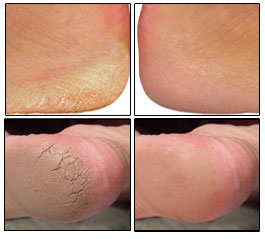
Cracked heels are a common foot problem, particularly in the summer months and in warmer climates. Essentially it is caused by dry skin. For most people cracked heels are a nuisance and a cosmetic problem, but when the cracks are deep, they can be painful to stand on and the skin can bleed. In severe cases this can cause infection.
TreatApplying a moisturising heel formulation twice a day is a crucial step in addressing cracked heels. Eulactol Heel Balm Gold and Ellgy Plus Cracked Heel Cream are unique formulations for the treatment of rough, dry, cracked feet and heels. Both formulations are suitable for people with diabetes. Ask our trained staff which of these formulations is best for you.

ProtectA regular foot care regime is essential if you want your feet to look and feel good. The Scholl Dual Action Foot File removes hard or rough skin and then buffs it smooth, leaving feet feeling beautifully soft. The coarse side of the file safely removes the rough or hard skin, whilst the finer side smoothes the skin.

Thompson’s Skin, Hair and Nails Capsules support healthy and nourished skin.
With Horsetail herb and marine proteins, Thompson’s Skin, Hair and Nails is far more than just a ‘cosmetic’ supplement. A combination of vitamins and minerals, including Vitamin C and Zinc, are also included to condition the skin from within.

3 steps

  1. Wash feet with a moisturizing soap. Use a high-quality moisturizing soap to wash your feet thoroughly every day. Just make sure you use warm water and not hot water or you may end up doing more damage than good. The goal here is to soften the skin so that you can exfoliate and buff away any dead skin on the surface easily. Hot water can dry out your feet even further and make the problem worse. Use a good moisturizing soap like Olay Body Ultra Moisturizing Soap on your feet during a light foot bath.  
  2. Massage warm olive oil on your heels. Olive oil can be very nourishing to the skin and will absorb quickly when it's warm. Heat up some olive oil in the microwave for about 20 seconds, let it cool until it's at a comfortable temperature, and then massage it into the heels and damaged patches of skin. You can do this every night to rehydrate and moisturize that tough skin on the feet and treat cracked heels.
  3.  Wear moisturizing socks at night. A pair of aloe-infused moisturizing socks can be a great addition to your foot treatment plan. These socks will help trap in moisture and can promote the skin's natural repair process.


Monday, September 17, 2012

What Causes Puffy Eyes?

Main cosmetic problem affects eyes that are puffy or baggy eyes. Both terms are used interchangeably but they are different because puffy eyes are easily curable than eye bags. Baggy eyes can only be treated with surgical treatments. This discussion will focus on causes of puffy eyes. There are several causes of puffy eyes and some of these causes are environmental but not all. Puffy eyes or watery eyes are basically symptoms of common eye allergic problems. Some research study links puffy eyes to genetic or heredity factors. Here is a list of causes that are stated to be causes of puffy eyes.


You should view this list and avoid factors that cause puffiness in eyes:
  • Lack of sleep
  • Excessive crying and shedding tears
  • Much intake of sodium and salt
  • Physical stress
  • Emotional stress
  • Building of toxins and wastes in body
  • Post operation or surgical recovery
  • Heredity predisposition
  • Reactions of dermatitis
  • Over consumption of alcoholic beverages
  • Irritating contact lenses
  • Body fluid fluctuations due to hormonal changes
  • Changes in weather or temperature
  • Sinus problems
  • Water retention
  • Complications from medications
  • Sleeping with head elevated slightly
Everyone should know general causes of puffiness in eyes.

Coping With Acne: Your Care Plan


Oils produced by the body help keep skin healthy. But too much of a good thing can leave your face looking oily, which no one wants. Excess oil can also lead to blemishes and acne flare-ups. “Fortunately, there are definitely plenty of ways to cut down on oiliness,” says Andrea Cambio, MD, medical director of Cambio Dermatology in Cape Coral, Fla. Options range from over-the-counter cleansers to prescription lotions and cosmetic treatments. WebMD interviewed dermatologists from around the country to find out how they advise patients with oily skin. Here’s what they recommend.

Cleansers

Cleansing your face in the morning and at night is the single most effective way to manage oily skin, dermatologists agree. “Always use a gentle cleanser, since harsh soaps can trigger the skin to increase oil production,” says April Armstrong, MD, assistant professor of dermatology at the University of California, Davis.” Also, gently wash your face using your hands; a washcloth or buff puff can actually stimulate more oil secretion.
If a basic facial cleanser doesn’t do the trick, try a product that includes an acid such as benzoyl peroxide, salicylic acid, glycolic acid, or beta-hydroxy acid.  Acids help cut oiliness.  “Many products containing these acids are marketed as acne facial care products. They’re great for people with acne, but they’re also fine for people whose problem is just oily skin,” Armstrong tells WebMD.  “Since some of these ingredients can be irritating, buy a small size to see how your skin responds. People often have to try several products before they find the one that works best for them.” When washing your face, use warm water, not hot. Extremes of temperature can also irritate skin.

Toners

Some people love the feeling of splashing on a skin toner, which can help further reduce oiliness. As with cleansers, products that contain salicylic acid or other acidic ingredients are most effective at removing oils. But dermatologists are divided on whether to recommend them to everyone. “I’m not a big fan of astringent toners because they tend to irritate the skin and can lead to more oil production,” says Cambio. “Still, if people like using them, I recommend applying toners only on oily areas of the skin, such as the forehead, nose, and chin. Avoid using them on areas that tend to be dry or you’re likely to create dry patches on your skin.”
That’s worth remembering for all your skin care regimens. “There’s a myth that some people have dry skin, some people have oily skin. In fact, most people have combination skin, oily in some places, dry in others,” says Ellen Marmur, MD, associate professor of dermatology at Mount Sinai School of Medicine in New York and author of Simple Skin Beauty: Every Woman’s Guide to a Lifetime of Healthy, Gorgeous Skin.

Medicated Pads

Another option is medicated pads with salicylic acid, glycolic acid, or other oil-cutting acid ingredients. “Medicated pads are a favorite among my patients with oily skin,” says Marmur. “You can carry them in your purse and use them on the run to freshen up your skin and remove excess oil.”

Blotting Paper

Cosmetic blotting papers offer a great option for removing oil because they don’t dry out your skin.  “Patients with oily skin really love blotting paper, because it’s convenient and easy to use,” says Armstrong. Apply to oily areas, such as forehead, nose, and chin. Don’t scrub your skin with the sheet of blotting paper. Instead, simply press it against the oily area long enough to allow it to absorb oil, usually 15 to 20 seconds.  Some blotting papers are lightly powdered, which further reduces shine.

Masks and Clays

Applying masks and clays to the skin helps draw out oils and cleanses pores. But like cleansers and toners, masks can also dry out the skin. “My advice is to apply them only to problem areas,” says Rebecca Kazin, MD, assistant professor of dermatology at Johns Hopkins Medical Institute and director of Johns Hopkins Cosmetic Center. “And use them only occasionally.” Masks and clays are great when people are getting ready for a big event, Kazin told WebMD -- a wedding, a birthday dinner, a big presentation.

Moisturizers

“People who have oily skin often steer clear of moisturizers, worrying that they’ll make their skin look even shinier,” says Kazin. That’s a bad idea. “Even oily skin needs to be moisturized to look its best,” says Kazin. To avoid an oily sheen, choose an oil-free moisturizer. Vary the amount you apply depending on whether the area tends to be dry or oily.

Oil-free Sunscreen

“Traditional sunscreens can pose a problem for people with oily skin, since they tend to go on pretty thick and can block pores,” says Armstrong. Even so, protecting skin from ultraviolet radiation is absolutely essential. Sunscreen gels are less likely than creams and lotions to make your skin look oily. And there are a variety of new oil-free products have been developed for oily skin. The latest innovation: facial powders laced with SPF protection. Some of the newest products offer SPF 30 protection, enough to ward off sun damage in most situations.

Adapt Your Facial Regimen

How oily your skin looks can vary season by season, week by week, even day by day. “Oil production is influenced by hormones, by mood, even by the weather,” says Cambio. “Some people have problems with oily skin only in the summer, when they’re sweating, for example, but not in the winter.” To keep your skin healthy and looking great, it’s important to be aware of how your skin varies so that you can adjust your regimen accordingly. “You may need cleanser with glycolic acid or beta-hydroxy acid every day during the summer but only now and then during the winter,” says Kazin. “That’s important to know, since overusing these products can cause skin to dry out.” 

Talk to Your Dermatologist

If over-the-counter products aren’t enough to help you manage oily skin, talk to your dermatologist. Lasers and chemical peels can help reduce oiliness and improve the overall look of your skin. Creams laced with tretinoin, adapalene, or tazarotene can also help by altering pores and reducing oiliness. “Since these products can be irritating, it’s best to use only on oily areas and only as often as you really need it,” says Kazin.
It’s worth remembering, too, that oil production is a normal part of healthy skin. “People with naturally oily skin tend to have fewer wrinkles and healthier looking skin,” says Marmur. So don’t go overboard in your efforts. Remove excess oiliness when you need to look your best. But be careful to preserve your skin’s natural antiaging mechanism. 

Sunday, September 9, 2012

WHAT IS YOUR SKIN TYPE........?


Knowing your skin type is absolutely necessary in order to make a right decision about a proper skin care or treatment, which is suitable for your particular skin needs.

#1. Normal Skin

If you skin belongs to a normal type, the tissue will not reveal any traces of oil. Your skin should feel vibrant, elastic, and supple. Normal skin is the least problematic type. It looks clean and smooth and has a good circulation and healthy complexion. Even with a minimum care, it will look good well into your advanced age.

#2. Dry Skin

If your skin is dry, the paper will be clean, too, but your face skin will feel flaky, dry, and tight after you have wiped it.
Dry skin can easily develop a sallow tone, wrinkles, and fine pores, and it is very prone to aging and irritating. It might still look great on a young person, but, to keep it healthy, you should apply thorough care and use regular skin or beauty treatment with natural masks and moisturizers.

#3. Oily Skin

If you have oily skin, the paper will have spots of facial oil on it, corresponding to the areas of your cheeks, nose, and forehead. Oily skin is problematic – it usually looks greasy, thick, coarse, and shiny, has enlarged pores, and tends to break into acne.
A good thing, though, is that oily skin is not prone much to aging and wrinkling. Careful cleaning, minimizing of carbohydrate consumption, and avoiding rich creams can be helpful in improving the quality of oily skin.

#4. Combination Skin

If you skin is combination, like that of most women, the tissue will have traces of oil coming from your nose and forehead, but will be clean in the areas that touched your cheeks.
Combination skin has patches of both dry and oily skin, and it requires different types of care in relation to particular facial areas.
Dry zones, which are usually located on the cheeks and around the eyes, should be treated with rich creams and moisturizers, while oily areas, usually on the forehead and nose, will benefit from frequent and thorough cleaning.

#5. Sensitive Skin

Sensitive skin is usually very dry, tends to feel tight, and becomes inflamed and irritated easily. Typically, sensitive skin develops reddish and scaly areas, can be itchy and tingly, and is prone to breaking into spots. It is the most problematic and fragile type of skin, which needs a very special type of care. To get the right body products for this skin type too requires great research.